01 - Soviet weakening
The USSR dried itself of resources
A decade of casualties, currency drain, and shattered prestige hollowed out the Soviet military and accelerated the reforms that ended the USSR.
How global superpowers fought indirectly on Afghan soil - and how a decade in the mountains reshaped the world order.
For four decades after 1945, the United States and the Soviet Union competed for ideological dominance - capitalism against communism - without ever firing directly at one another.
Their rivalry instead spilled into smaller nations across Asia, Africa, and Latin America. Afghanistan, in 1979, became the stage for the bloodiest of these proxy wars.
Soviet troops crossed the border. American dollars and weapons crossed Pakistan. Neither superpower met on the battlefield - yet both spent a decade fueling it.
Backed the communist Afghan government
Funded & armed the Mujahideen
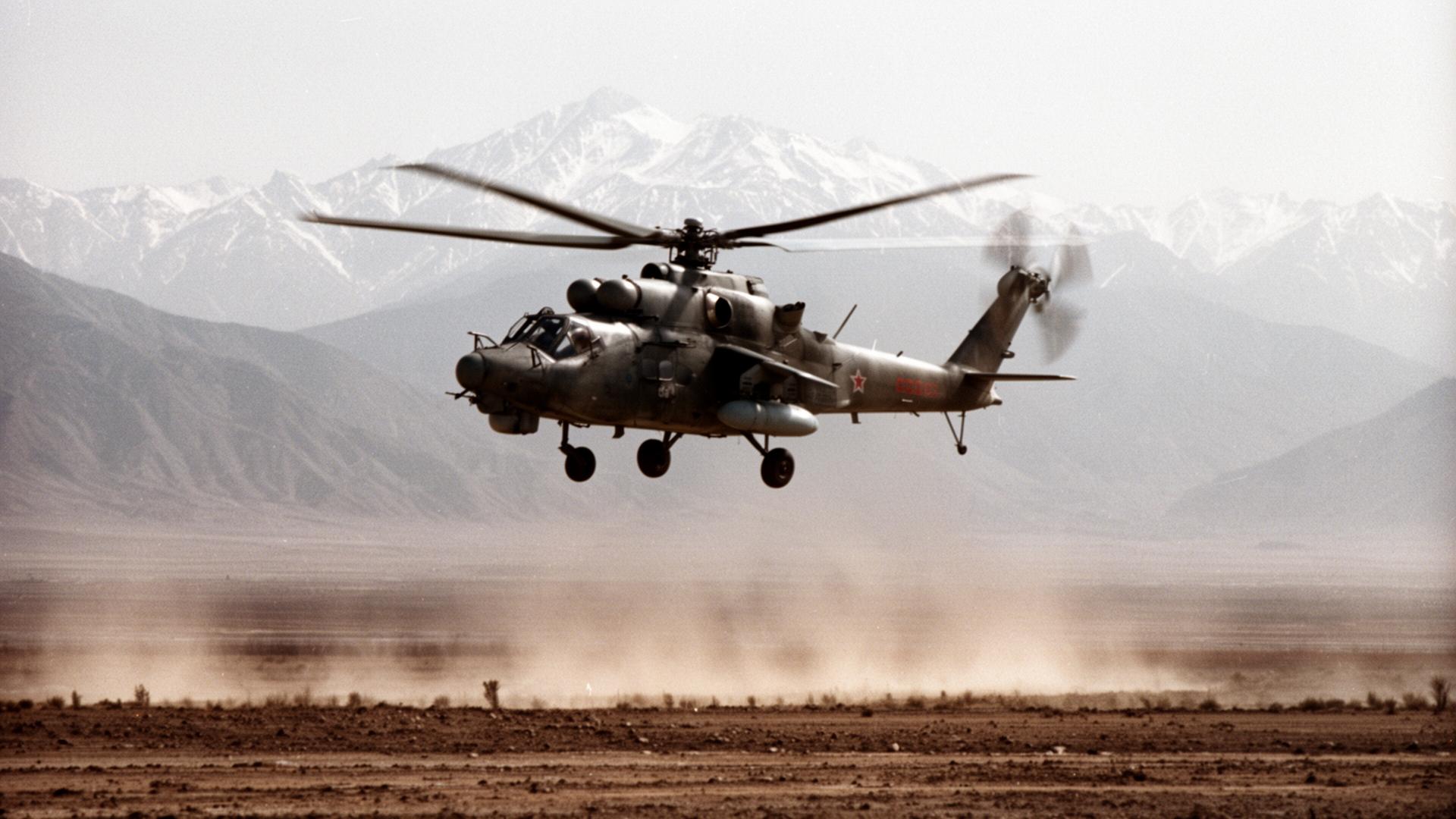
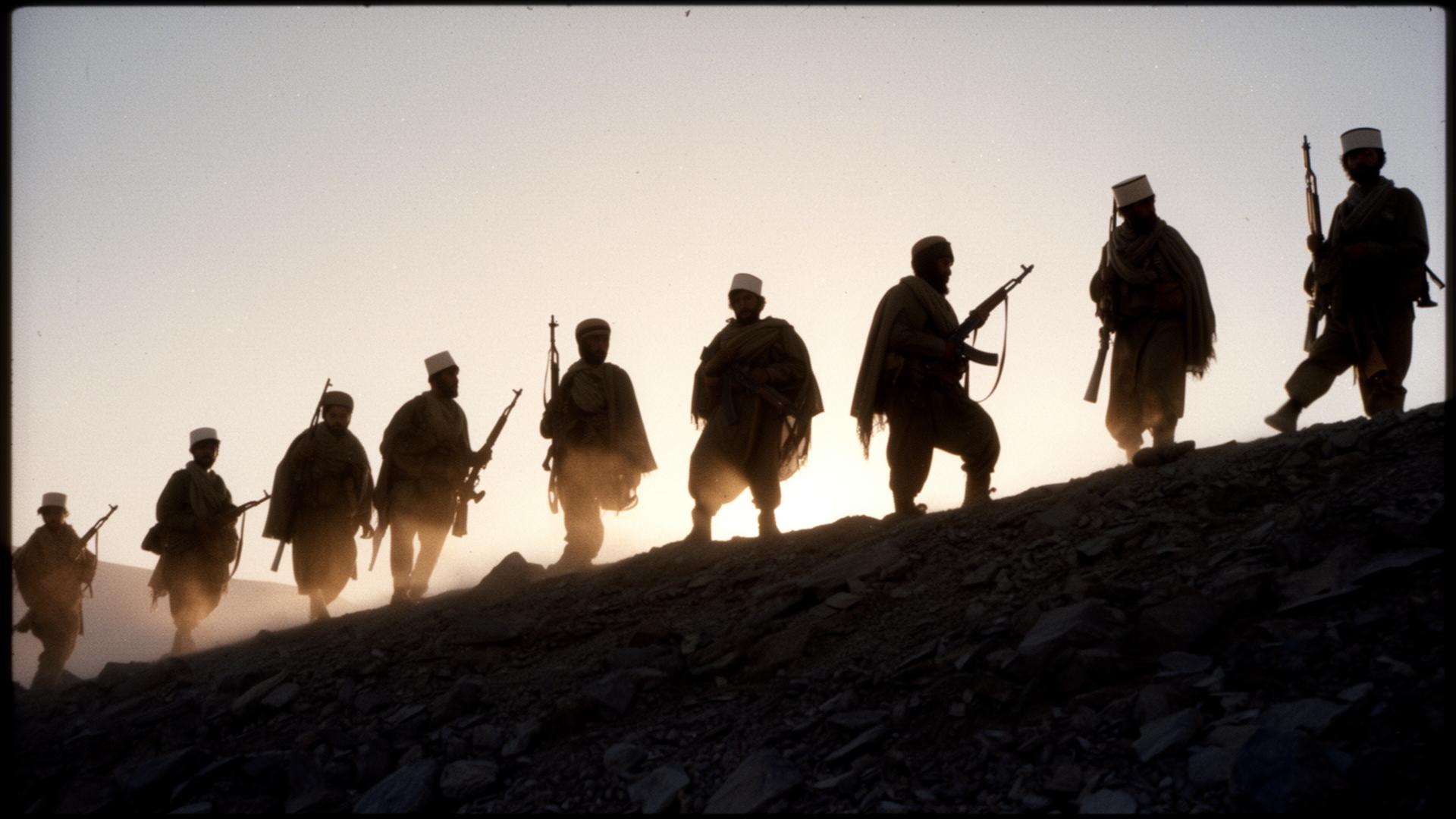
Soviet armor poured south from Termez and Kushka. American-funded arms moved north from Peshawar and Quetta through Pakistan's tribal belt. Afghanistan's mountains were the meeting point.
The Red Army crosses into Afghanistan to prop up the communist government in Kabul. Within weeks, 80,000 Soviet troops are on the ground.
The CIA launches one of its largest-ever covert operations, channeling weapons and funding to Mujahideen fighters through Pakistan's ISI.
Soviet forces peak at 115,000. Mujahideen adapt with hit-and-run tactics in the mountains. The war becomes a costly stalemate.
American FIM-92 Stinger missiles reach Mujahideen hands. Soviet helicopter losses spike - air dominance is broken.
The USSR signs an agreement to withdraw. Gorbachev calls Afghanistan a 'bleeding wound.'
The last Soviet soldier crosses the Friendship Bridge out of Afghanistan. The decade-long war ends in defeat.
Soviet forces also lost ~15,000 soldiers.
Mostly into Pakistan and Iran - one of the largest refugee crises of the 20th century.
Draining an already strained system during the late stages of the USSR.
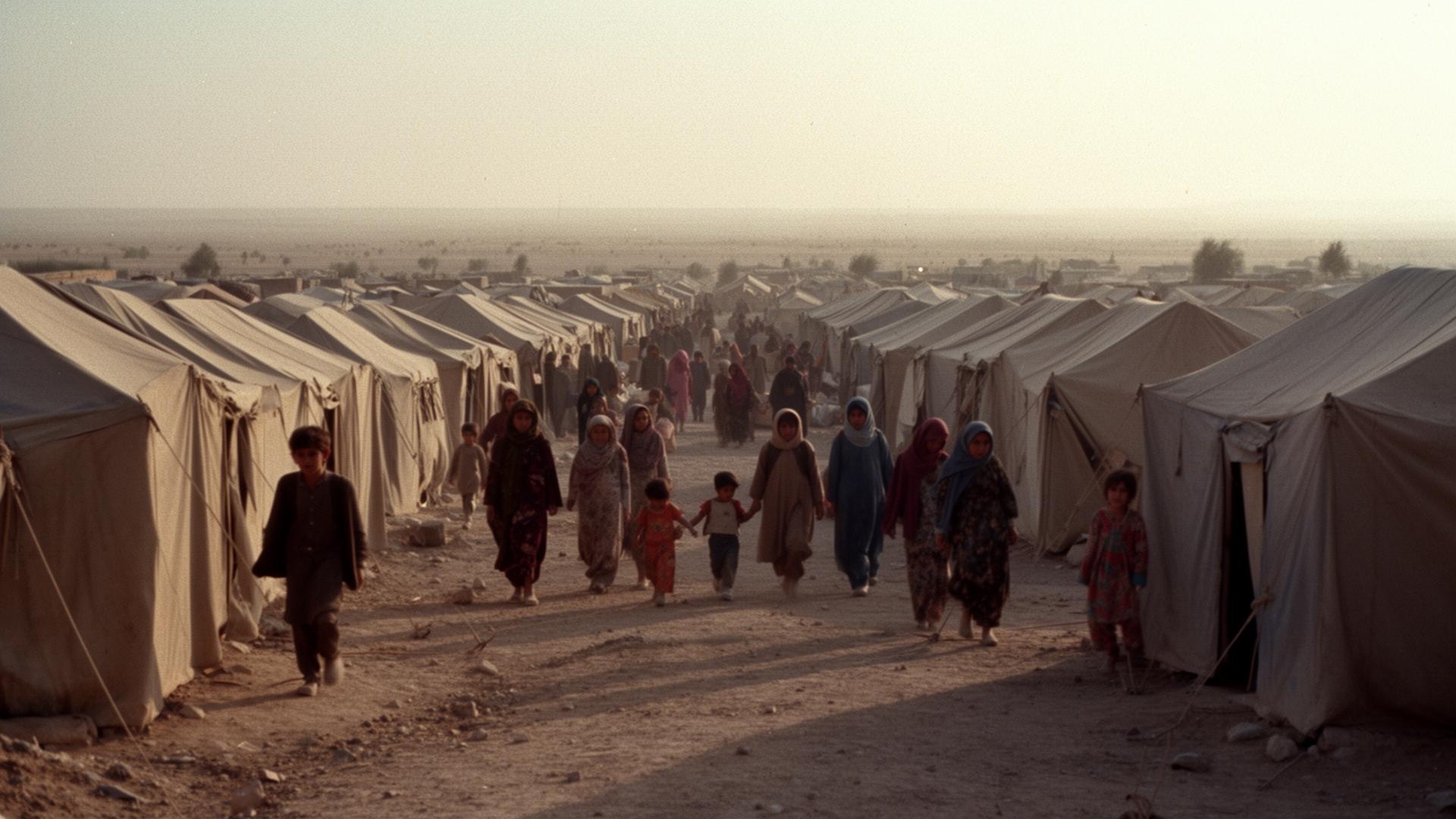
Six million Afghans fled their homes - one of the century's largest refugee crises.
Mujahideen factions fragmented after the war. Some commanders and foreign fighters laid the groundwork for the Taliban and al-Qaeda.
Afghanistan slid into civil war through the 1990s. The state never fully recovered - setting the stage for the conflicts that followed.
Combined with economic stagnation and reform efforts, the war accelerated the unraveling of the Soviet Union by 1991.
A decade of failure shattered the myth of Red Army invincibility and accelerated reform pressure inside the USSR.
After Vietnam, victory-by-proxy in Afghanistan reinvigorated U.S. global posture and Cold War ambition.
Within two years of the Soviet withdrawal, the Berlin Wall fell. Within three, the USSR itself dissolved.
Each step in the war pulled the next behind it - invasion fed insurgency, insurgency drew superpower money, money prolonged the war, and the war helped break an empire.
Red Army crosses the Amu Darya to save a collapsing communist regime.
Tribal and Islamist resistance fragments into a nationwide guerrilla war.
Operation Cyclone funnels billions in arms through Pakistan's ISI.
Stalemate. 115,000 Soviet troops bogged down in mountain warfare.
Withdrawal in defeat. Two years later, the USSR itself dissolves.
Red Army crosses the Amu Darya to save a collapsing communist regime.
Tribal and Islamist resistance fragments into a nationwide guerrilla war.
Operation Cyclone funnels billions in arms through Pakistan's ISI.
Stalemate. 115,000 Soviet troops bogged down in mountain warfare.
Withdrawal in defeat. Two years later, the USSR itself dissolves.
The Soviet-Afghan War is where Cold War strategy collided with consequences nobody scripted. Three legacies still shape the world.
A decade of casualties, currency drain, and shattered prestige hollowed out the Soviet military and accelerated the reforms that ended the USSR.
Foreign fighters, weapons stockpiles, and trained commanders dispersed after 1989, laying the foundations for the Taliban and al-Qaeda in the decade that followed.
Afghanistan slid from Soviet occupation into civil war, Taliban rule, and another foreign intervention. The 1979 invasion still shapes its politics today.
"Afghanistan was a bleeding wound."
The Soviet-Afghan War was the Cold War in microcosm: superpowers measuring strength through other people's blood. It hollowed out one empire, emboldened another, and seeded conflicts that would outlive the century. To understand the world after 1989, begin here.